Drew Vogel · 29 September 2026
The Interplay Between Redirect Chains and Search Engine Resource Allocation
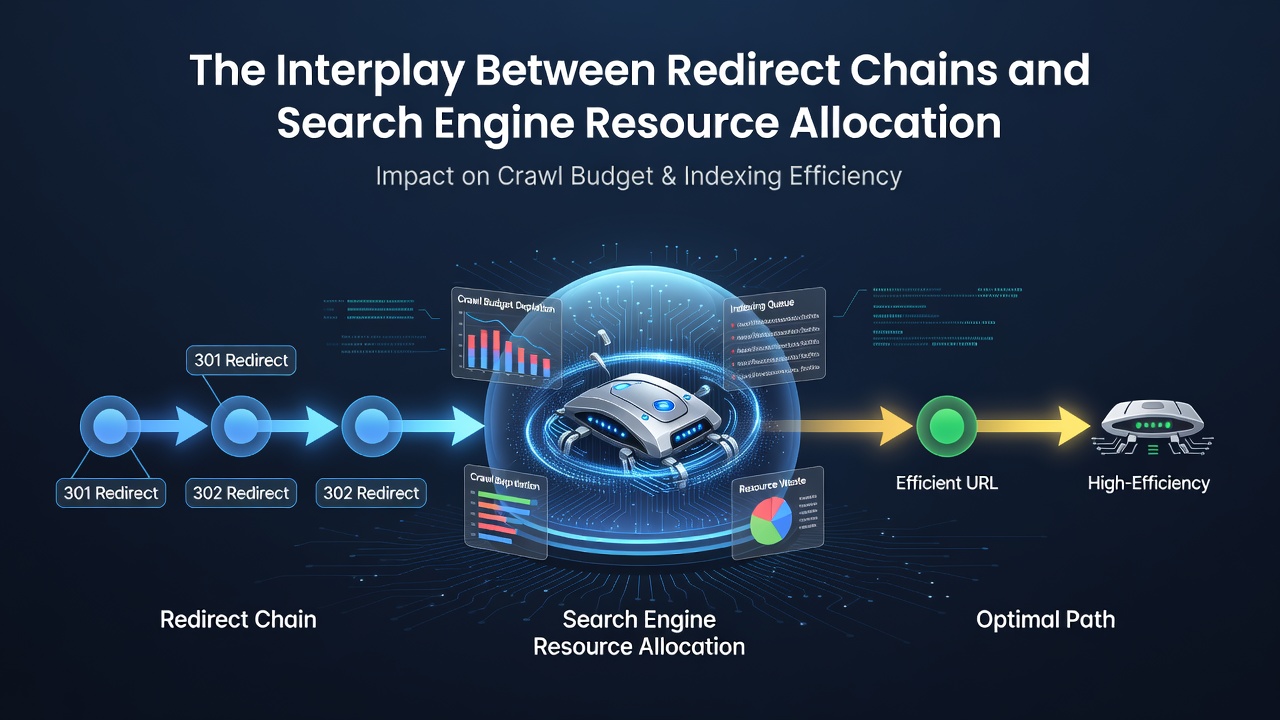
Redirect chains form when one URL points to another and that second URL points onward to a third or more before reaching the final destination, and search engines must follow each step in sequence during crawling operations. This process consumes additional server requests and processing time which directly affects how resources get distributed across websites.
Mechanics of Redirect Chains in Web Architecture
Multiple redirects often appear during site migrations, protocol switches from HTTP to HTTPS, or when content gets reorganized across domains, while each hop adds latency that crawlers track as part of their overall path evaluation. Data from web infrastructure analyses shows that chains exceeding three redirects increase the total number of requests needed to reach final content by at least 200 percent in many cases.
Search Engine Resource Allocation Fundamentals
Search engines assign crawl budgets based on factors such as site size, update frequency, and server response times, and they prioritize pages that deliver content efficiently without excessive intermediate steps. Observers note that larger sites with established authority receive higher allocation limits, whereas smaller properties must compete for the same processing capacity during peak indexing periods.
Resource allocation also considers historical performance metrics including load speed and error rates, so chains that trigger repeated server hits can reduce the frequency of future visits to an entire domain. Research indicates that engines adjust these limits dynamically, often lowering priority for domains where redirect patterns persist over multiple crawl cycles.
Direct Effects on Crawl Efficiency
Redirect chains force crawlers to expend additional requests on intermediate URLs instead of reaching final pages, which reduces the total number of unique pages processed within a given time window. Studies from academic institutions tracking crawler behavior have documented cases where sites with average chain lengths of four or more experienced 30 to 40 percent fewer indexed URLs compared to equivalent domains without such structures.
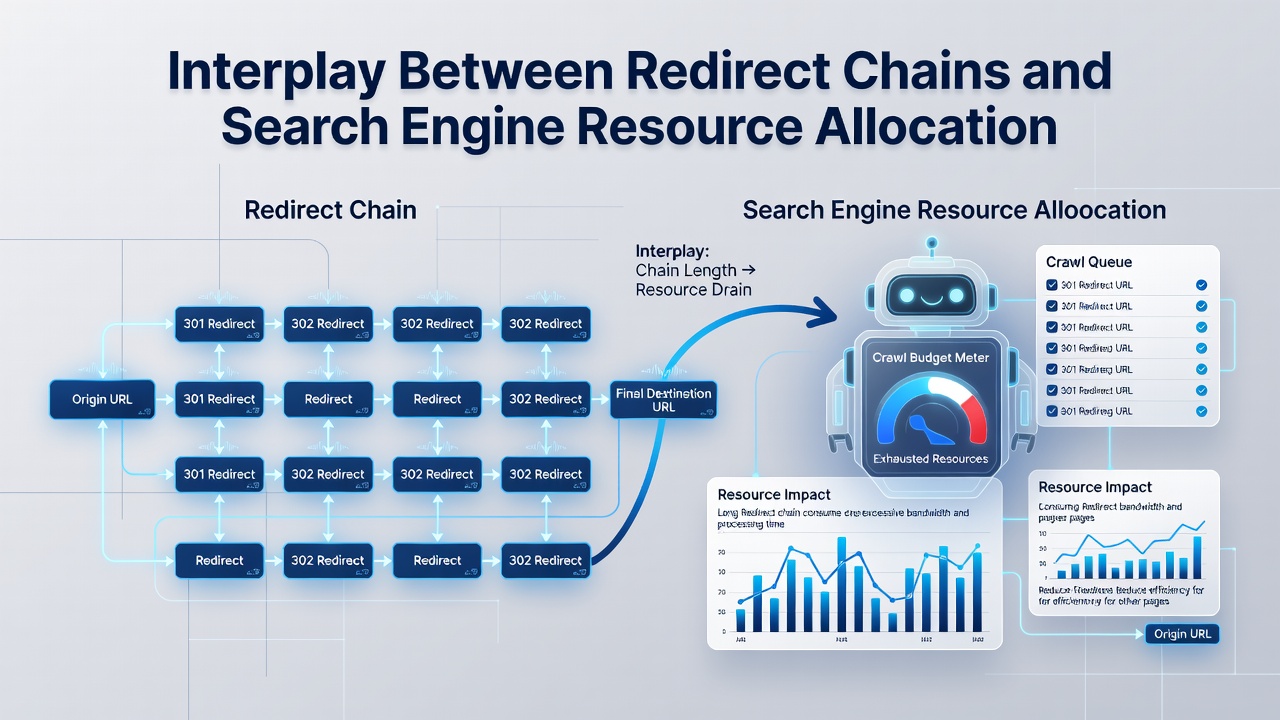
Longer chains also introduce higher risk of temporary server errors or timeout events that further signal to engines that the site may require fewer visits. Those who monitor server logs frequently observe spikes in 5xx responses clustered around redirect paths, prompting engines to deprioritize affected sections until stability returns.
Patterns Observed Across Different Site Types
E-commerce platforms that rely on frequent product URL updates often accumulate redirect chains during seasonal reorganizations, and this accumulation coincides with measurable drops in crawl frequency during high-traffic periods. Government digital service reports from Australia highlight similar patterns in public sector sites undergoing platform transitions where legacy links create extended chains that persist for months.
News organizations managing large archives face comparable challenges when older articles receive new category structures, and the resulting chains compete for the same limited crawl resources allocated to timely content. Data collected across multiple regions shows that domains with consistent redirect hygiene maintain steadier indexing rates regardless of overall site volume.
Technical Factors Influencing Allocation Decisions
Server response codes play a central role since each redirect must resolve before the next request begins, and engines measure the cumulative time across the entire sequence. When cumulative latency exceeds internal thresholds, allocation algorithms reduce the number of simultaneous connections granted to that domain in subsequent sessions.
Internal linking structures that point to intermediate redirect URLs compound the issue by creating additional entry points that engines must evaluate, whereas direct links to canonical destinations allow resources to focus on content discovery. Analyses conducted by research groups in Canada have quantified how optimizing these internal pathways can restore crawl rates within two to three weeks after chain removal.
Developments Expected Around September 2026
Industry tracking groups anticipate that updates scheduled for September 2026 will place greater emphasis on cumulative request efficiency when determining crawl budgets, which means sites still operating long redirect chains may see further reductions in indexing depth. These changes build on existing patterns where engines already penalize unnecessary hops, and documentation from the World Wide Web Consortium on resource-efficient web practices provides context for the direction of these adjustments.
Preparations underway at major platforms include automated detection tools that flag chains during routine audits, allowing administrators to consolidate paths before allocation limits tighten. W3C web architecture guidelines outline core principles that align with these upcoming evaluation criteria.
Approaches That Improve Resource Utilization
Direct 301 redirects from original URLs to final destinations eliminate intermediate steps and free up crawl capacity for other site sections, and many administrators implement these changes during scheduled maintenance windows. Monitoring tools that track redirect lengths help identify problematic patterns before they affect overall allocation.
Regular audits of server logs combined with updates to internal navigation structures have produced measurable improvements in crawl coverage according to reports from European digital infrastructure studies. European Commission digital reports document how such optimizations support broader site performance goals without requiring additional infrastructure investment.
Conclusion
Redirect chains interact with search engine resource allocation by consuming requests that could otherwise reach final content pages, and this interaction becomes more pronounced as engines refine their efficiency metrics. Sites that address chain length through targeted updates maintain steadier crawl patterns across different content volumes and update frequencies. Ongoing monitoring combined with structural adjustments positions domains to adapt as allocation methods continue to evolve through 2026 and beyond.