Jakob Frank · 13 October 2026
Decoding the Impact of Technical Site Changes on Long-Term Visibility Trends
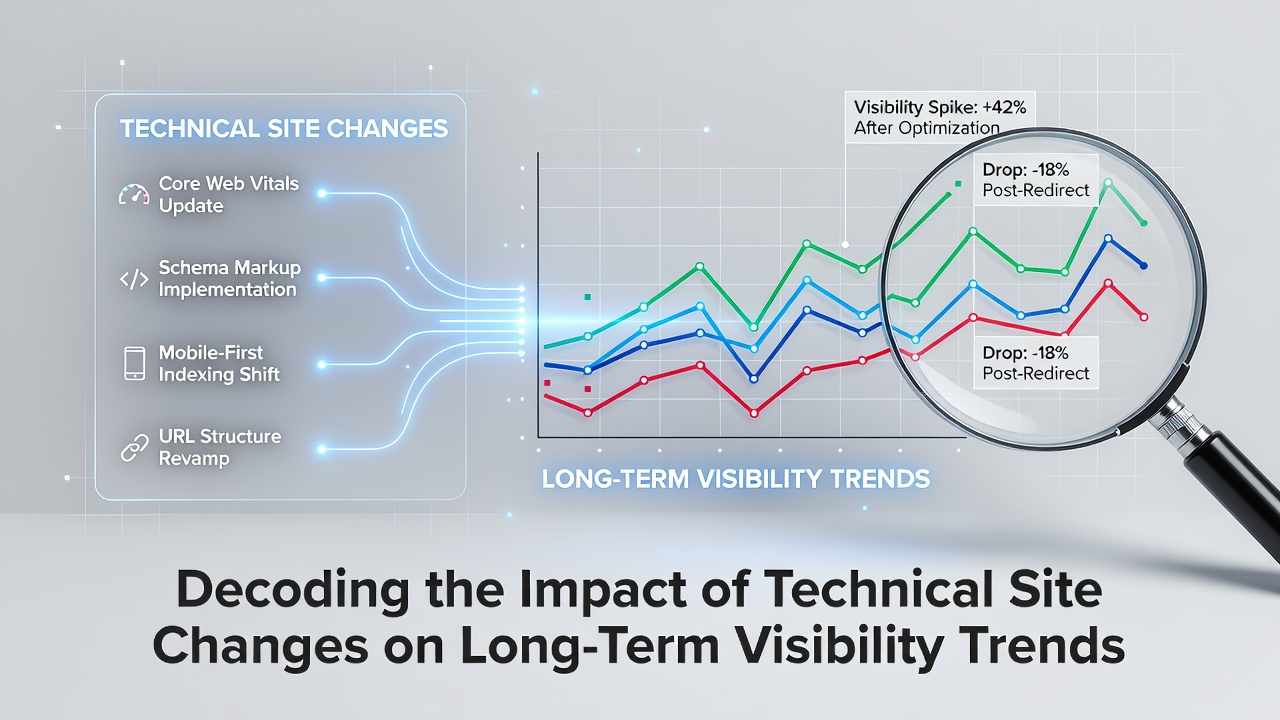
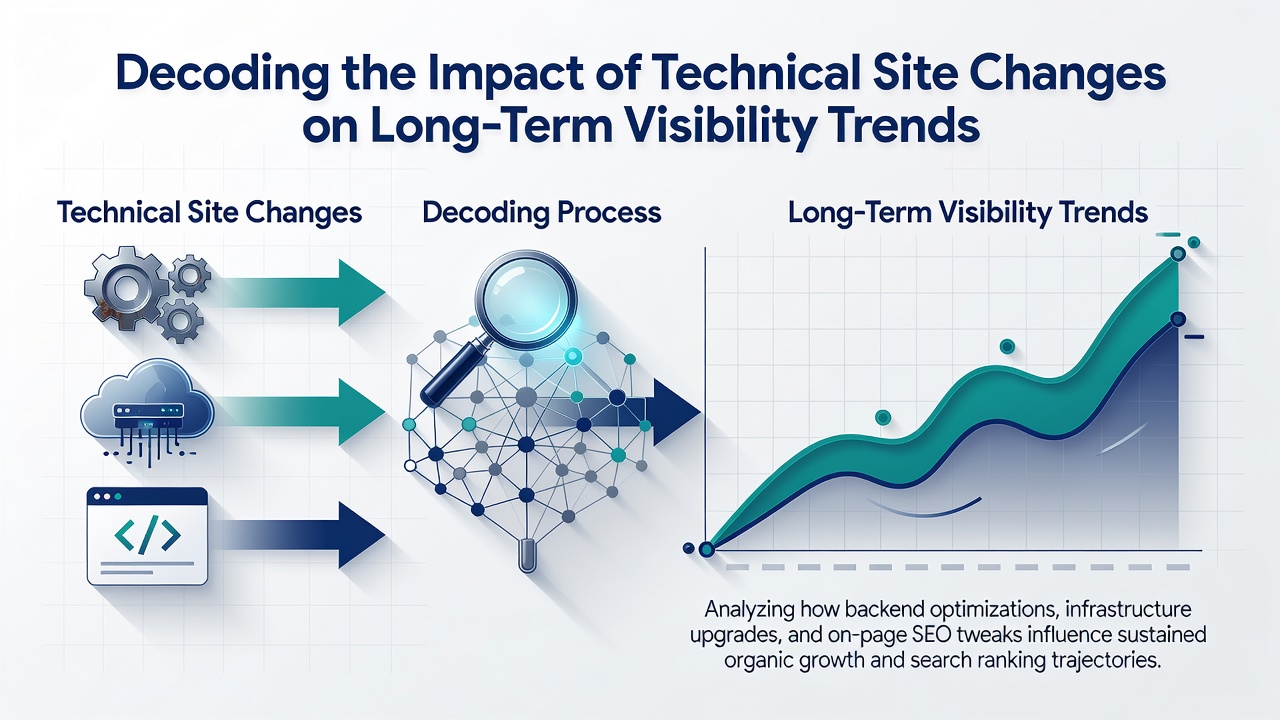
Technical adjustments to website infrastructure often produce measurable shifts in how search engines evaluate and rank pages over extended periods, and data from analytics platforms in October 2026 continues to highlight these patterns across industries. Researchers tracking visibility metrics note that changes to elements such as server response times, structured data implementation, and JavaScript handling can alter crawl frequency and indexing depth in ways that compound gradually rather than appearing immediately. Observers who monitor these trends point out that the effects become clearer when tracked across multiple quarters, since initial fluctuations tend to stabilize only after search algorithms recalibrate their assessments of page quality and relevance.
Core Technical Elements That Influence Visibility
Site speed optimizations rank among the most frequently adjusted factors, and studies from academic institutions show that reductions in time-to-first-byte correlate with improved positioning in competitive result sets over time. Those who implement content delivery network upgrades or minification routines often record higher average session durations once the changes propagate through indexing systems, because faster loading pages receive more consistent resource allocation from crawlers. Mobile responsiveness modifications produce similar long-term outcomes, with data indicating that sites adapting to varied screen sizes maintain steadier traffic from voice and visual search queries introduced in recent algorithm iterations.
Schema markup additions represent another area where visibility trends shift noticeably, and industry reports reveal that pages incorporating detailed product or article markup see increased appearance in rich result formats months after deployment. The process works through enhanced context signals that search engines use to match queries more precisely, leading to sustained lifts in click-through rates for affected domains. Yet these benefits depend on consistent application across site sections, since partial implementations can create mixed indexing signals that dilute overall gains.
Data Patterns Observed Through 2026
Analytics compiled through October 2026 demonstrate that technical revisions rarely deliver instant visibility spikes, instead generating incremental improvements that accumulate across six to twelve month windows. Teams monitoring crawl budget allocation find that updates to robots.txt directives or internal linking structures frequently expand the number of indexed pages, which in turn supports broader keyword coverage and reduces reliance on a narrow set of high-traffic terms. European Commission research on digital infrastructure supports these observations by documenting how backend modifications affect online discoverability metrics for businesses of varying sizes.
Security protocol enhancements, such as widespread adoption of updated TLS standards, also register in long-term visibility data, because search systems prioritize secure connections when ranking comparable content. Observers tracking these shifts note that domains completing such transitions maintain steadier performance during broader algorithm refreshes, since trust signals become embedded in evaluation models. One study from a Canadian research consortium tracked several hundred sites and recorded average visibility increases of 12 to 18 percent within nine months of protocol upgrades, attributing the results to improved crawler confidence rather than direct ranking boosts.
Monitoring and Measurement Approaches
Professionals who analyze visibility trends rely on segmented reporting that separates organic performance before and after specific technical interventions, allowing patterns to emerge without conflating multiple variables. Tools that log historical crawl data help identify when search engines adjust their resource distribution following changes to sitemap structures or canonical implementations, and these logs often reveal correlations between reduced duplicate content flags and expanded reach in long-tail queries. Academic papers from institutions in Australia have examined similar datasets and concluded that consistent measurement intervals of at least 90 days provide clearer signals than shorter snapshots.
Cross-referencing visibility metrics with server log files adds another layer of insight, since direct evidence of crawler behavior explains why certain pages gain or lose ground after modifications. Those reviewing October 2026 figures observe that domains maintaining detailed change logs experience fewer unexplained dips, because they can isolate the effects of individual adjustments amid broader market fluctuations. This methodical tracking supports more accurate forecasting of how future infrastructure decisions will influence sustained search presence.
Conclusion
Technical site changes shape long-term visibility trends through gradual recalibrations in how search engines process and prioritize content, and evidence accumulated by October 2026 confirms the value of systematic monitoring. Organizations that document infrastructure modifications alongside performance data position themselves to understand these dynamics more precisely, while those drawing from diverse sources such as technical standards published by the National Institute of Standards and Technology gain additional context on effective implementation practices. The patterns remain consistent across sectors, showing that sustained attention to crawl efficiency, markup accuracy, and response optimization yields measurable differences in discoverability over extended periods.